Mapping Cryptocurrency Integration Patterns Across Austrian Mobile Gaming Platforms
Geschrieben von Klara Koch · 4.9.2026
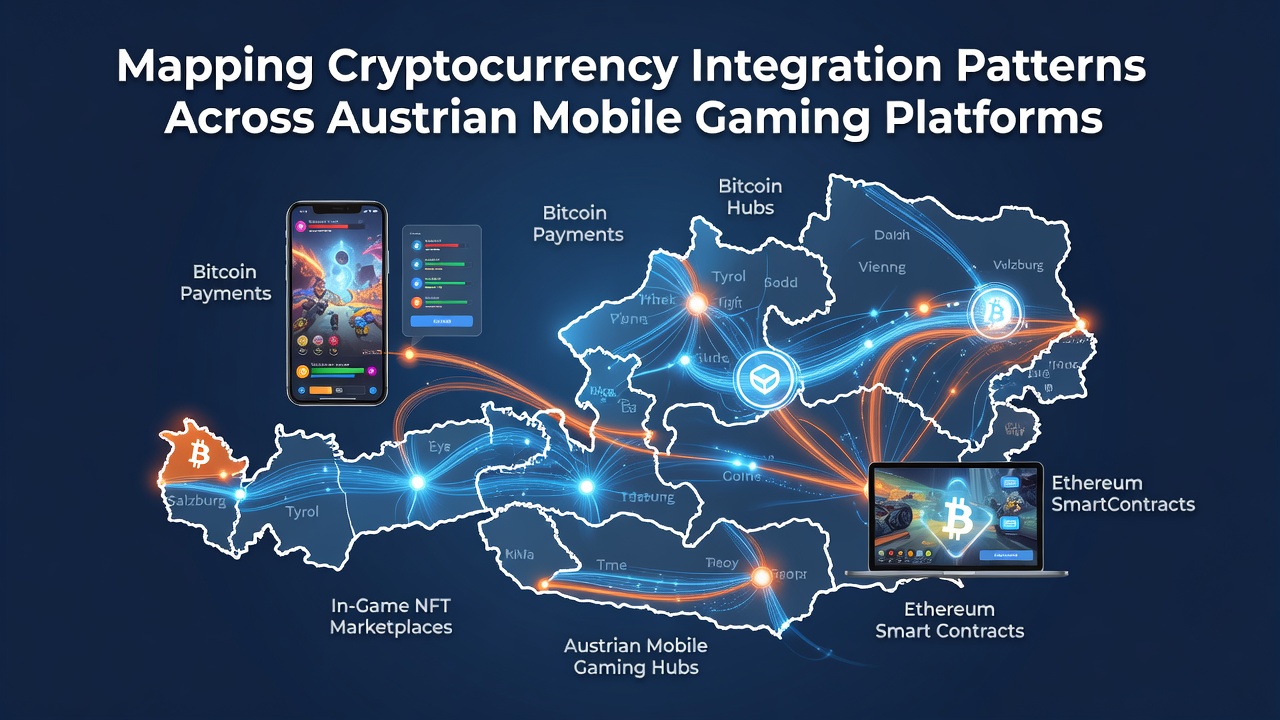
Mapping Cryptocurrency Integration Patterns Across Austrian Mobile Gaming Platforms
Patterns of cryptocurrency integration in Austrian mobile gaming platforms reveal distinct trends shaped by local regulations and technological adoption rates since the rollout of the Markets in Crypto-Assets regulation across the European Union, and observers note that these developments accelerated noticeably in September 2026 when updated compliance frameworks took effect for digital asset payments in entertainment sectors. Austrian operators have incorporated blockchain-based transactions into their mobile offerings through secure wallet connections that support major assets such as Bitcoin and Ethereum while maintaining alignment with national oversight from the Financial Market Authority.
Regulatory Context Shaping Integration
Austrian law requires gaming platforms to verify user identities and transaction sources under anti-money laundering directives, which means developers embed verification steps directly into mobile apps so that crypto deposits trigger automated checks before gameplay begins, and this approach ensures operators meet standards set by the Austrian Financial Market Authority without disrupting user flow. Data from regulatory filings indicate that platforms favoring stablecoins have seen smoother approvals because these assets reduce volatility risks during in-game purchases and withdrawals.
Technical Patterns in Mobile Implementations
Integration typically occurs through application programming interfaces that connect gaming software to external crypto exchanges or custodial services, allowing players to fund accounts via QR code scans or near-field communication features on smartphones, while backend systems log every transfer for audit purposes. Researchers tracking adoption rates found that apps built with cross-platform frameworks like React Native handle crypto modules more efficiently than native iOS or Android builds, leading to broader compatibility across devices used in Austria. Those who examined transaction volumes reported that Ethereum-based smart contracts appear frequently in loyalty reward systems where in-game achievements convert automatically into token payouts.
Observed Distribution Across Platform Types
Mobile casino applications show higher crypto uptake compared with sports betting apps because slot mechanics and table games align easily with instant blockchain settlements, whereas betting platforms often combine crypto with traditional payment rails to accommodate varying user preferences. One study revealed that smaller independent developers integrate crypto earlier than established international brands because they face fewer legacy system constraints, and this pattern holds true in markets where Austrian users access games through app stores or direct downloads. Platforms handling higher daily volumes tend to favor multi-signature wallets for added security, reducing single-point failure risks during peak evening hours when activity spikes.
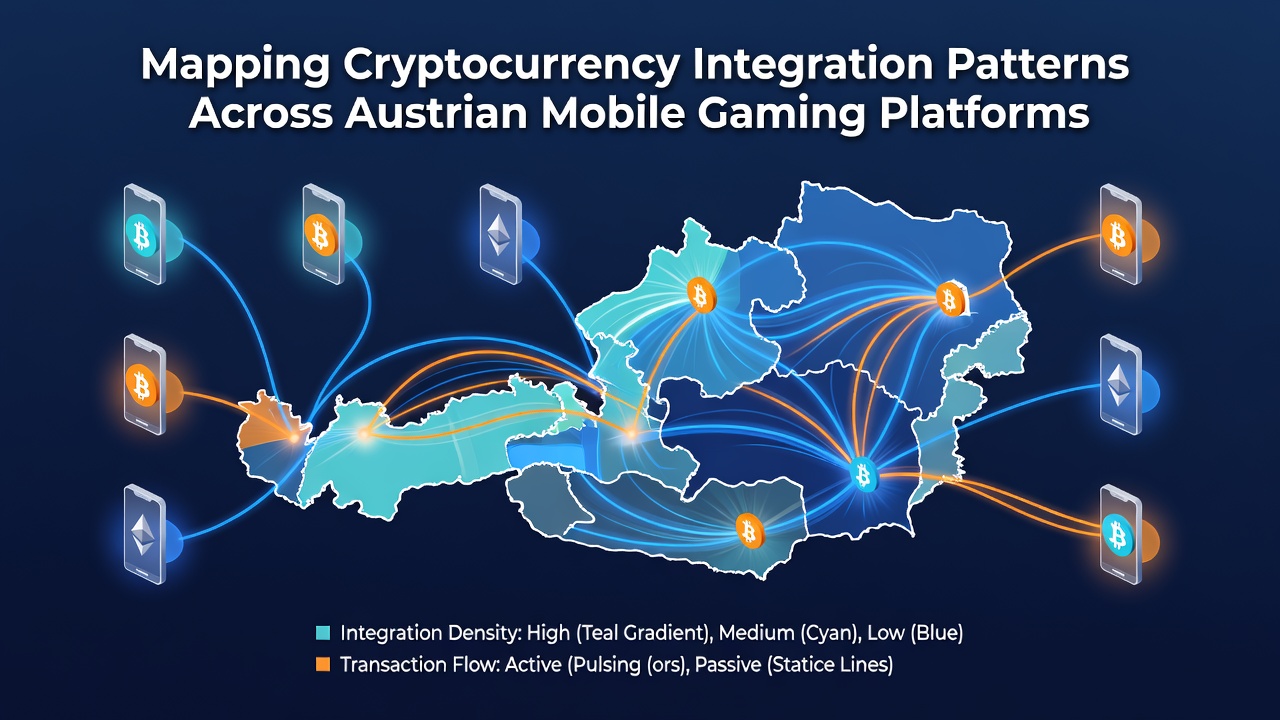
Evidence suggests that September 2026 marked a turning point when several platforms introduced layer-two scaling solutions to cut transaction fees and improve confirmation speeds, which in turn encouraged more frequent small-stake gameplay sessions among Austrian users. Analysts reviewing these shifts noted that integration depth varies by asset type, with Bitcoin dominating deposit functions while newer tokens appear mainly in promotional mechanics such as referral bonuses or achievement rewards.
Data Trends and Adoption Metrics
Figures compiled by industry monitoring services show steady growth in crypto-enabled sessions throughout 2026, particularly on Android devices that permit sideloading of specialized wallet apps, whereas iOS restrictions push operators toward in-app browser solutions for seamless connections. Austrian users demonstrate preference for platforms offering both crypto and fiat options side by side, allowing gradual migration rather than abrupt changes, and this hybrid model appears in the majority of top-ranked mobile titles according to download statistics. Academic papers from European research institutions highlight how tokenization of in-game assets creates secondary economies where players trade items across different titles using standardized blockchain protocols.
Those tracking security incidents report that platforms with regular smart contract audits experience fewer disruptions, and this finding correlates with higher user retention rates in regions under strict Austrian oversight. External factors such as energy costs for proof-of-work networks have prompted some operators to prioritize proof-of-stake alternatives, aligning with broader sustainability goals discussed in EU policy circles.
Conclusion
Mapping these integration patterns across Austrian mobile gaming platforms demonstrates how regulatory clarity, technical infrastructure, and user behavior intersect to shape adoption trajectories, with September 2026 serving as a notable milestone in the timeline. Continued monitoring of transaction data adn compliance updates will clarify how these systems evolve in response to new asset classes and scaling technologies. Austrian Financial Market Authority guidelines and reports from the European Securities and Markets Authority provide foundational references for understanding the framework supporting these developments.